The Top Benefits of Low-Impact Workouts
TL;DR:
- A low-impact workout supports strength, mobility, and consistency without unnecessary joint strain.
- Low-impact training benefits both physical performance and mental well-being.
- Compared to high-impact routines, low-impact workouts are easier to recover from and maintain long-term.
- Low-impact exercise works for all fitness levels and adapts as your body changes.
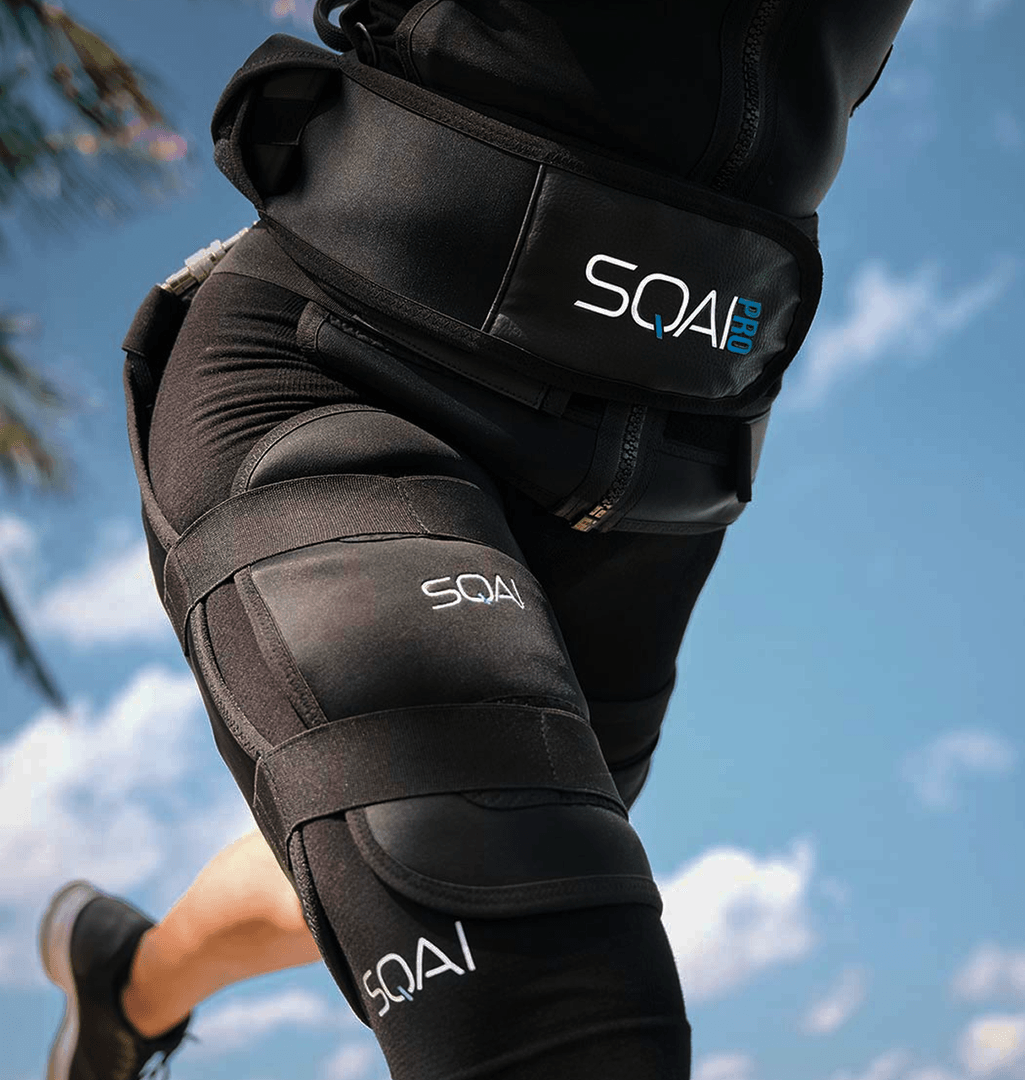
- The SQAI suit uses EMS technology to deliver efficient, low-impact training that fits into your low-impact training.
Pushing harder isn’t always better. For many people, real progress starts with a low-impact workout. Instead of stressing joints or chasing exhaustion, low-impact training focuses on controlled movement that supports the body while still challenging it.
At SQAI, low-impact training is the foundation of a more intentional approach to fitness. Understanding how this style of movement benefits both the body and the mind helps explain why it works so well for people at every fitness level.
What Are Low-Impact Workouts?
So, what does a low-impact workout mean, and how does it differ from other types of exercise? In simple terms, a low-impact workout is designed to reduce stress on the joints while still engaging muscles and supporting overall fitness.
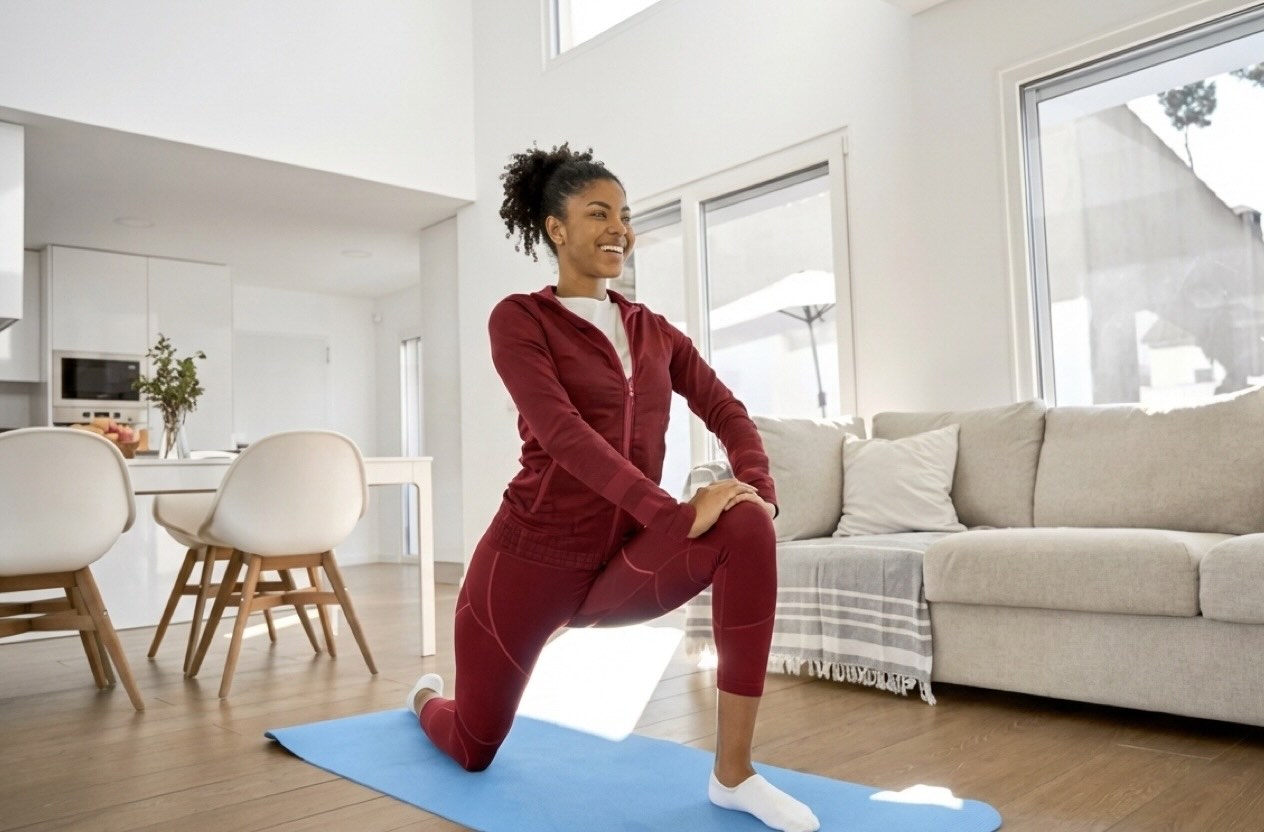
Low-impact workouts rely on controlled, steady movement rather than jumping or forceful impact. Activities like walking, cycling, Pilates, yoga, and controlled strength training are common examples. These workouts allow the body to move efficiently without unnecessary strain.
When people ask, “What is a low-impact workout?” they’re often looking for exercise that feels effective without being harsh on the body. This style of training makes it easier to build strength, improve mobility, and stay consistent, which is why low-impact workouts work well for people at many different fitness levels.
Physical Health Benefits of Low-Impact Workouts
Low-impact training supports the body in ways that make exercise feel more sustainable, effective, and easier to stick with over time.
Easier on Your Joints
One of the biggest benefits of a low-impact workout is reduced stress on joints and connective tissue. By limiting repetitive impact, these workouts help lower the risk of injury and discomfort, making it easier to stay active without feeling worn down.
Builds Strength With Control
Low-impact training focuses on intentional movement and proper form. This helps activate muscles more effectively, strengthen stabilizers, and improve balance, all without relying on heavy loads or explosive motion.
Supports Heart Health
A low-impact workout can still raise your heart rate and build endurance. Over time, this supports cardiovascular health while keeping exercise more comfortable and sustainable.
Improves Recovery and Consistency
Because the body experiences less strain, recovery tends to be quicker. That makes it easier to train consistently, which plays a big role in long-term physical progress.
Mental and Emotional Benefits of Low-Impact Workouts
Beyond physical benefits, workouts with a low-impact style can have a noticeable effect on how you feel mentally and emotionally.
Helps Lower Everyday Stress
Low-impact workouts tend to feel calmer and more controlled, which can help ease stress. Steady movement and a consistent pace give the body a chance to release tension without feeling rushed or overwhelmed.
Supports Focus and Mental Clarity
Controlled, repetitive movement encourages you to stay present. This can help clear mental clutter and make it easier to focus during your workout and throughout the rest of the day.
Builds Confidence Through Consistency
Because low-impact workouts feel manageable, sticking with them often feels easier. Over time, that consistency builds confidence and helps create a more positive relationship with exercise.
Encourages Emotional Balance
Regular low-impact movement can add structure to your routine and support a more balanced mood. For many people, it becomes a reliable way to reset both mentally and physically.
Low-Impact Workouts vs. High-Impact Training
Choosing between low-impact and high-impact training often comes down to how much physical stress your body can comfortably handle.
Movement Style
High-impact training relies on explosive or fast movements that create more force with each repetition. Low-impact workouts emphasize controlled motion, which places less demand on joints and connective tissue.
Training Pace
High-impact workouts often move quickly and push intensity through speed and power. Low-impact training uses a steadier pace, allowing more attention to form and body awareness during each movement.
Recovery Demands
High-impact routines can leave the body feeling taxed, especially when done frequently. Low-impact workouts tend to fit more easily into a regular routine because they place fewer recovery demands on muscles and joints.
Finding the Right Fit
Both styles have value depending on personal goals and comfort level. For many people, low-impact workouts provide a more practical option for staying active over time without adding unnecessary physical stress.
How to Start With Low-Impact Workouts
Starting low-impact workouts is about keeping things simple and realistic. The goal is to find movement that feels manageable and easy to stick with.
Begin with controlled, comfortable exercises like walking, light strength work, or mobility-focused movement. Pay attention to how your body feels and let that guide how often and how hard you train.
Short, efficient sessions tend to work best early on. Consistency matters more than duration, and intensity can increase gradually through added resistance or muscle engagement instead of impact.
At SQAI, low-impact workouts are built around this idea. Training focuses on effective muscle activation without high-impact stress, making it easier to ease into a routine and maintain it long term.
Starting small and staying consistent helps low-impact workouts become a sustainable part of everyday movement.
A Smarter Way to Train for the Long Term
Overall, low-impact training offers a smarter way to stay active, especially for people who want results without unnecessary strain. When workouts support your body instead of breaking it down, staying consistent becomes much easier.
That’s where the SQAI suit comes in. Powered by EMS technology, it delivers deep, full-body muscle activation in short, efficient sessions while keeping impact low. You get meaningful strength work, better recovery support, and a training experience that fits into real life.
If you’re ready for workouts that feel effective without feeling exhausting, SQAI was built for that.
More strength. Faster recovery. Long-term results. One intelligent suit designed to move with you.