
How to Ease Muscle Tension Effectively
TL;DR:
- Muscle tension often comes from stress, posture habits, repetitive movement, or weak muscle activation.
- Breathwork, EMS training, and massage can help loosen tight muscles.
- EMS supports balanced activation, better mobility, and low-impact strength work that reduces tension over time.
- Consistent movement and proper recovery are key to long-term comfort.
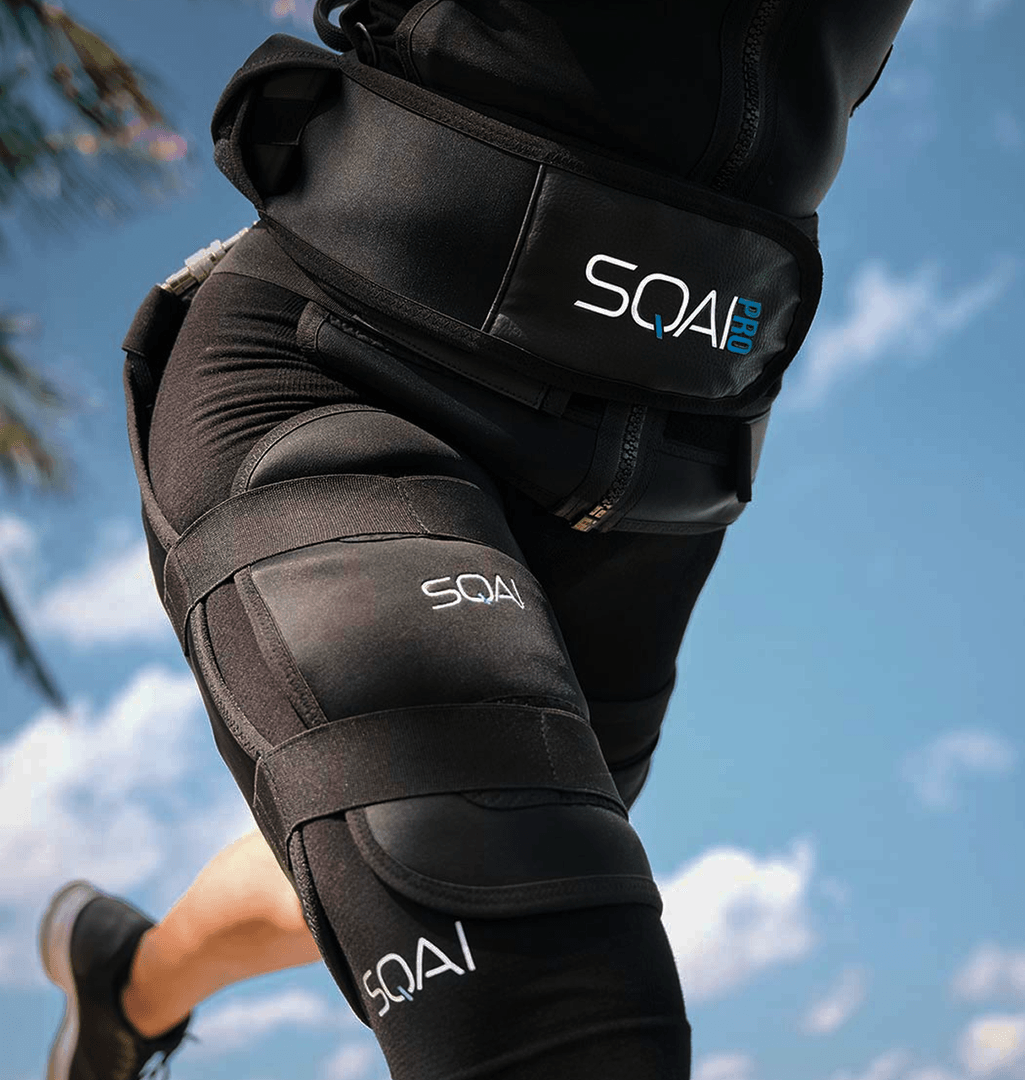
- The SQAI EMS Suit offers guided training and recovery support to help keep your body relaxed and strong.
Muscle tension shows up in all kinds of ways. You might feel it in your neck after a long day at your desk or in your legs after a tough workout.
Learning how to ease muscle tension starts with noticing why it’s happening and how your daily habits play a role. Your body works as a connected system, so tightness rarely comes from just one spot.
At SQAI, we look at those patterns to help people understand what their body is trying to say. In this guide, you’ll find simple, effective ways to release tight muscles caused by stress, posture, or exercise, so you can move through your day feeling a little more relaxed and supported.
What Causes Muscle Tension?
Muscle tension can show up for a lot of reasons, and knowing the cause makes it easier to understand how to reduce muscle tension in a lasting way. Common triggers include:
- Stress: Your body tightens when you feel overwhelmed or mentally drained.
- Long hours in one position: Sitting or standing too long can create stiff, overworked muscles.
- Repetitive movements: Workouts or daily habits that use the same muscles repeatedly can lead to strain.
- Dehydration: Low fluid levels can make muscles feel tighter and more prone to cramping.
- Poor sleep: Muscles stay tense when your body doesn’t get enough recovery time.
- Limited movement variety: Using the same muscles over and over while others stay inactive leads to imbalances.
When you understand what’s behind the tightness, choosing the right approach for how to ease muscle tension becomes much simpler.
Proven Techniques to Relieve Muscle Tension
Here are a few simple, effective ways to relieve muscle tension and help your body feel more comfortable.
Breathwork for Nervous System Reset
Slow, steady breathing helps your body calm down, which makes it easier for tight muscles to let go. Diaphragmatic breathing is an easy starting point.
Inhale through your nose, let your stomach rise, and exhale slowly. A few minutes of this can lower stress and help reduce muscle tension naturally.
EMS for Mobility and Strength Support
Electrical Muscle Stimulation (EMS) uses low-level electrical pulses to activate muscles in a controlled way. This helps wake up underused muscles, improve circulation, and create a gentler path for reducing tension.
EMS also supports better mobility since it encourages muscles to contract and relax without adding extra strain.
When combined with regular movement, it can help rebalance your system and make easing muscle tension feel much more achievable.
Massage and Myofascial Release
Using gentle pressure on sore or tight spots can help loosen the tissue and improve circulation. A massage ball or foam roller works well for this. It’s a quick way to release muscle tension and keep your body feeling more open between training sessions.
How SQAI’s Approach Helps People Reduce Muscle Tension Long-Term
Our EMS suit at SQAI is built to support strength, mobility, and recovery in a way that helps your body stay balanced over time. This kind of consistency can play a big role in keeping muscle tension from coming back.
Stronger, More Balanced Muscle Activation
The suit activates up to 90% of muscle fibers during each session. This helps wake up weaker areas so your body stops relying on the same tight muscles over and over. As those imbalances improve, tension has fewer places to settle in.
Low-Impact Training That Feels Good on Your Body
The suit lets you train without heavy weights or high-impact movements. This keeps stress off your joints and reduces the chance of creating new tight spots from overuse or strain.
Short, Consistent Sessions
Most sessions take around twenty minutes, which makes it easier to stick with a routine. Regular movement is one of the most reliable ways to keep your muscles feeling loose and supported.
Recovery and Mobility Options
The app includes recovery programs and mobility-focused sessions that encourage better circulation and smoother movement. These help your muscles relax instead of staying tense after long days or tough workouts.
Guided Support for Better Movement
SQAI offers onboarding and app-based guidance so you can adjust intensity and fit for your body. Good technique and proper activation make a big difference when you want long-term relief from tension.
This approach helps your body work more efficiently, which makes staying loose and comfortable much easier in the long run.
Finding Relief and Moving Forward
Muscle tension can show up in your life for all kinds of reasons, but it becomes much easier to manage once you understand your body’s patterns and give your muscles the right kind of support. A mix of mindful breathing, intentional movement, recovery work, and smart tools can help your body feel lighter, looser, and more capable day to day.
If you’re ready to give your muscles a more efficient way to stay balanced and strong, explore the SQAI EMS Suit. It’s designed to bring smarter training and recovery into your routine so you can move with more comfort and confidence.